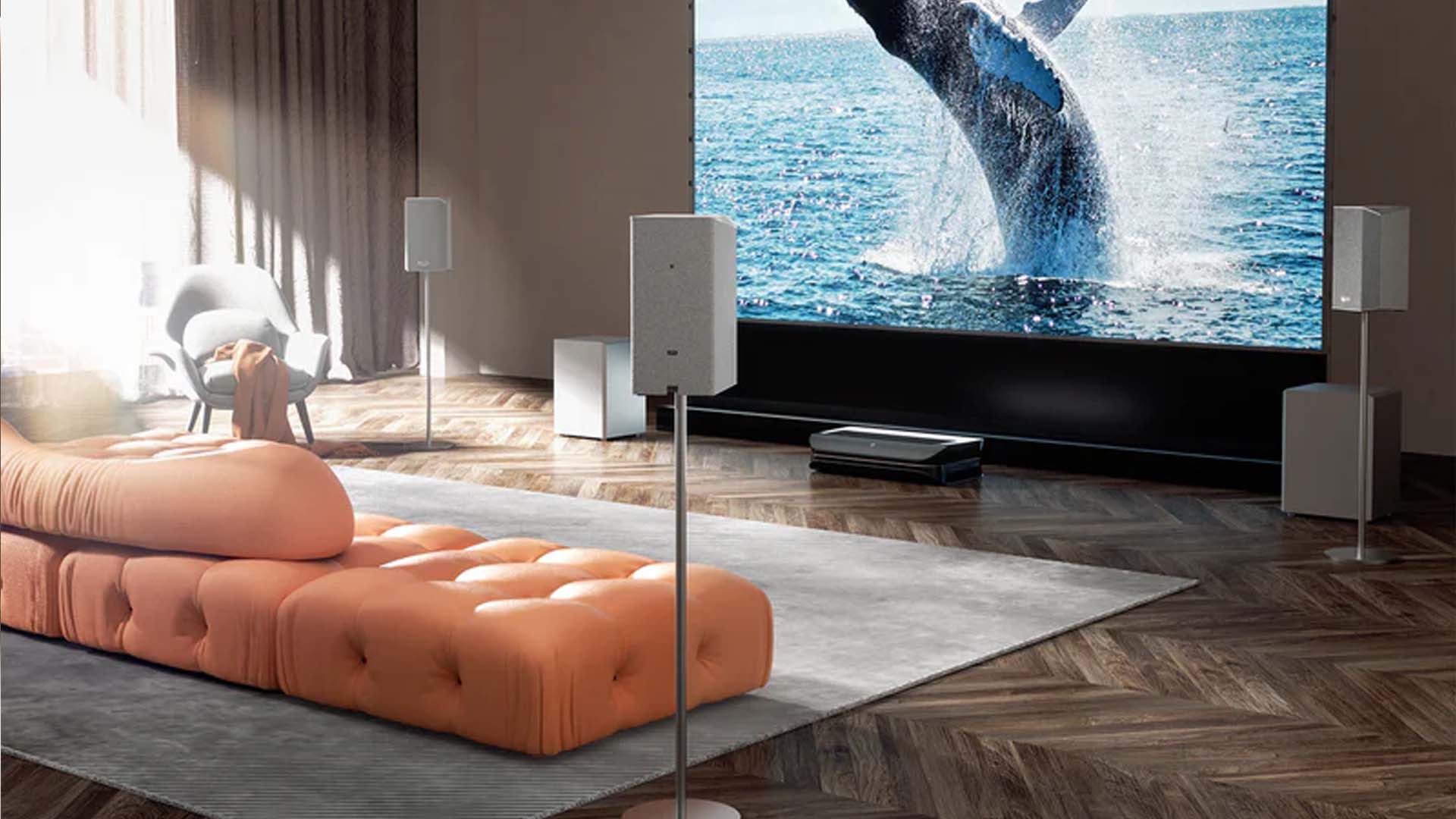







Every movie fan dreams of bringing the captivating, immersive experience of going to the cinema into the comfort of their own home. A huge screen, rich sound, and an image that pulls you straight into the action. But when planning the perfect home theater, you inevitably run into a labyrinth of technical terms. Two of the most important and often most confusing are SDR and HDR.
What do these abbreviations mean for image quality on your screen? And why is this difference so crucial, especially with a projector? Don’t worry. This article explains the differences in clear terms and shows why modern HDR, especially on laser projectors, is the key to a truly breathtaking picture.
What is SDR? The traditional standard for home video
SDR, or Standard Dynamic Range, has been the established standard for almost all visual content for decades, from DVD to traditional television and standard Blu-ray. SDR specifications were developed at a time when CRT televisions were the dominant technology, and are therefore shaped by their technical limitations.
The key points of SDR are:
-
Brightness: Content is mastered for a peak brightness of approx. 100 Nits.
-
Color depth: SDR uses 8-bit colors, allowing for about 16.7 million shades.
-
Color space: The displayable color range is limited to the Rec. 709 standard.
For its time, SDR was a reliable technology. On a large cinema screen, however, it reaches its limits. The picture can lose brightness and dynamism, and subtle color transitions are not always perfect.
What is HDR? A window into a more realistic world
HDR stands for High Dynamic Range and is the modern answer to the limitations of SDR. The goal of HDR is not simply to make everything brighter. It is about creating an image that comes much closer to reality and to the way the human eye perceives depth, color, and brightness.
The technology was specifically developed to show more detail in the brightest and darkest parts of the image at the same time — details that are often lost with SDR. For projectors, this advantage is enormous, because HDR provides the brightness needed to render even bright scenes, such as an explosion or glaring sunlight, brilliantly and impressively on a screen over 100 inches.
The big comparison: SDR vs. HDR on the screen
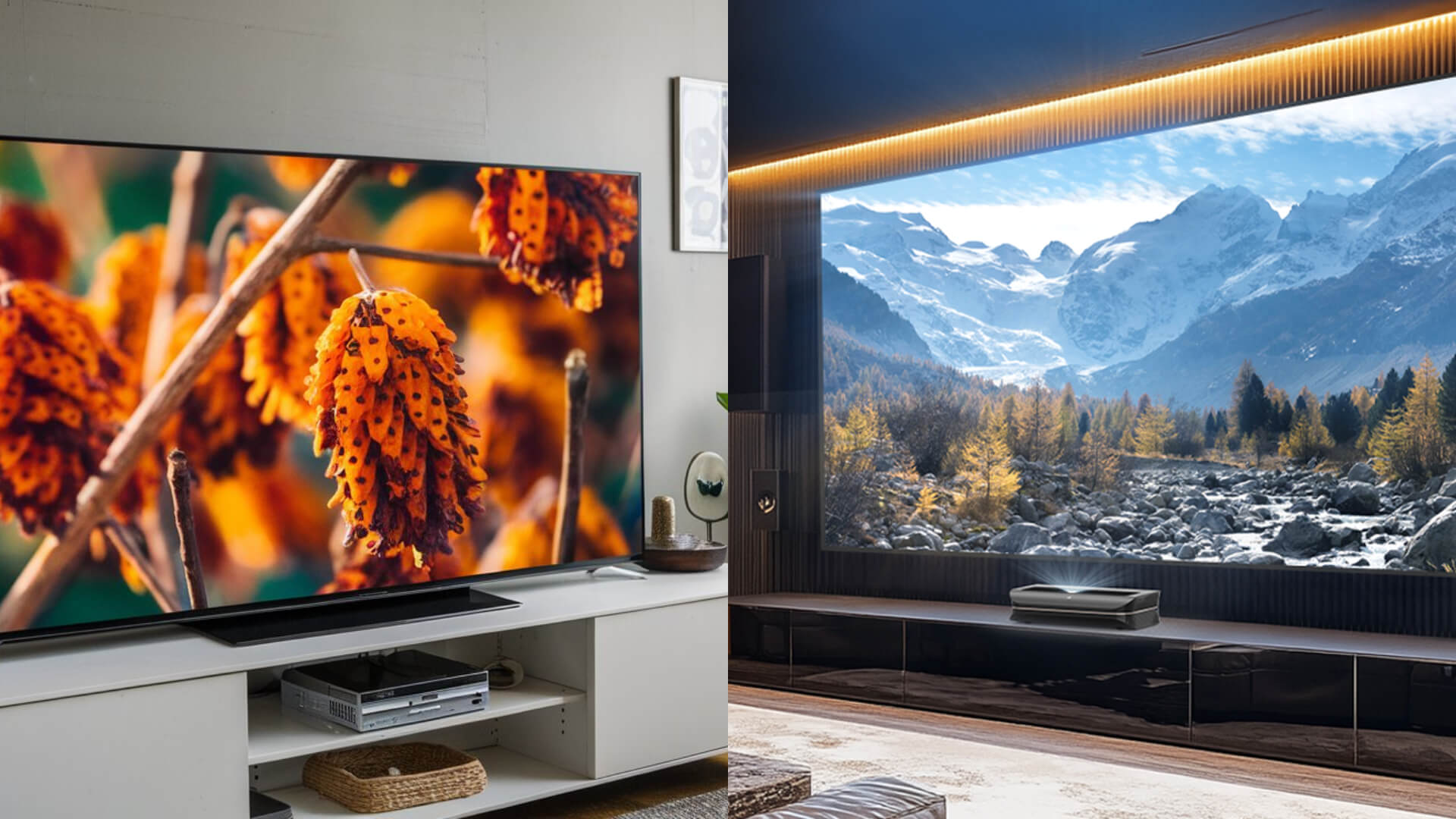
The technical difference between the two technologies is huge. The table below summarizes the most important points:

|
Feature |
Standard Dynamic Range (SDR) |
High Dynamic Range (HDR) |
|
Peak brightness |
approx. 100 Nits (mastered) |
600 - 4,000+ Nits (mastered) |
|
Color depth |
8-bit (16.7 million colors) |
10-bit (1.07 billion colors) |
|
Color space |
Rec. 709 (standard HDTV) |
DCI-P3 / Rec. 2020 (cinema standard) |
|
Metadata |
None (static) |
Static (HDR10) or Dynamic (Dolby Vision, HDR10+) |
Is HDR really better? Yes, but the projector’s performance is crucial.
The short answer is: yes, HDR is technologically and visually superior. It delivers an image with more depth, more brilliant colors, and stunning realism. But there is one decisive catch: the playback device must have the performance needed to make these advantages visible.
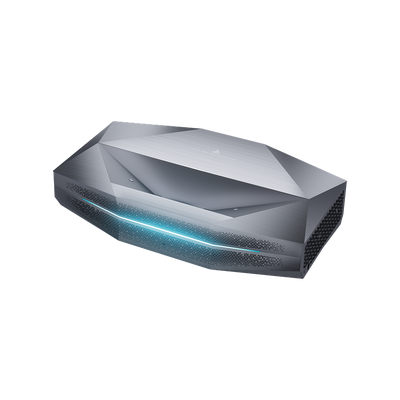
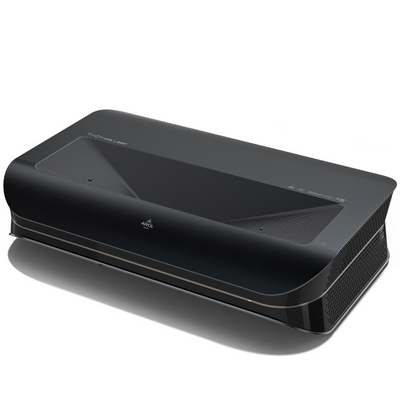
Warning: A cheap or older projector with weak HDR implementation can produce a "washed out" or overly dark image. In that case, a good SDR image can sometimes even look better. To make HDR advantages visible on a large screen, a projector needs enormous brightness and a wide color gamut. Modern tri-color laser projectors such as the new AWOL Vision Aetherion Pro clearly have the edge here: with 2600 ISO Lumens of brightness, 6000:1 native contrast, and 110% Rec.2020 color gamut coverage, it delivers the performance needed to display HDR content on the big screen brilliantly, with strong contrast and accurate color.
The HDR format jungle: HDR10, Dolby Vision & more in home theater
To make things a little more complex, there is not just "one" HDR. The different formats mainly differ in the way they send information about the image to the projector.
-
HDR10: This is the open base standard. It uses static metadata, which means a single fixed picture setting is used for the entire movie. That is good, but often a compromise.
-
Dolby Vision & HDR10+: These advanced formats use dynamic metadata. Here, the image is optimized scene by scene or even frame by frame. The result is a far more precise presentation that matches the director’s vision.
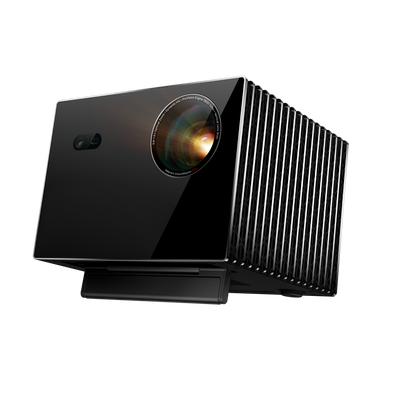
While most projectors only support the base HDR10 standard, the premium format Dolby Vision was for a long time found almost exclusively on high-end TVs. That is now changing: advanced laser projectors like the LTV-3500 Pro bring Dolby Vision to the big screen and also support HDR10+. This gives users maximum flexibility and ensures that content from all major streaming services is played back in the best possible dynamic quality.
Your checklist for the perfect HDR home theater
To make sure you get the best possible HDR experience, the entire chain has to be right.

-
Point 1: The right projector & the right screen In addition to a powerful projector, the screen is crucial for image quality. Especially for HDR, a contrast or ALR screen (Ambient Light Rejecting) is recommended. It improves black levels and ensures that the HDR effect is preserved even in rooms that are not completely darkened.
-
Point 2: The seamless signal chain Make sure that all devices in the chain — from the player to any soundbar to the projector — support copy protection HDCP 2.2. In addition, an HDMI 2.0a connection is the minimum; for 4K at 120Hz, HDMI 2.1 is required. If even one device is not compatible, an HDR image often will not be displayed.
-
Point 3: The content You can find high-quality HDR content on streaming services such as Netflix, Disney+, and Amazon Prime Video, as well as on 4K UHD Blu-rays, which are considered the gold standard for the best picture and sound quality.
Conclusion: HDR is the future of home theater — with the right projector
The jump from SDR to HDR is one of the most important advances in video technology. For a true, immersive cinema experience that transports you to other worlds, a modern laser projector with excellent HDR capabilities is now essential. High brightness, a huge color gamut, and support for dynamic formats such as Dolby Vision and HDR10+ are the ingredients that turn a simple movie night into an unforgettable event.
Frequently asked questions (FAQ)
-
What is better, HDR or SDR? Technically and visually, HDR is superior. It offers a more realistic, higher-contrast, and more colorful image, provided your projector is powerful enough to display it.
-
Does Netflix support HDR? Yes, Netflix offers many of its original productions in Dolby Vision and HDR10. However, you will need the premium subscription for this.
-
What is the main difference between SDR and HDR? The main difference is dynamic range. HDR can display a much wider range between the darkest and brightest parts of the image while also showing more colors.
-
Do I need a new projector for HDR? Yes. To experience true HDR, you need a projector that can process HDR signals and has high brightness and a wide color gamut to make the benefits visible.